Gold Recovery from E-Waste

The Background

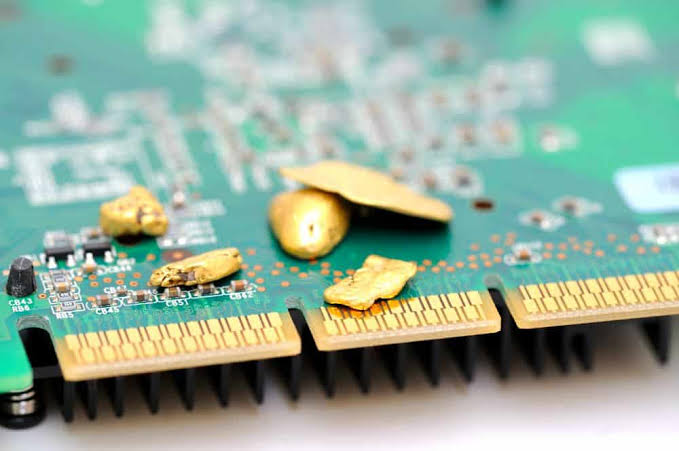
The client required a first-of-a-kind pilot demonstration facility to process Waste Electrical and Electronic Equipment (WEEE) and recover gold and other valuable metals from this growing demand for critical metals. The project aimed to demonstrate DEScycle’s innovative Deep Eutectic Solvent (DES) technology as a sustainable alternative to conventional smelting and cyanide-based recovery processes.


Engineering Challenge

A key challenge was delivering the complete facility within an accelerated 16-month programme and achieving Technology Readiness  Level 7 (TRL7) by September 2026. The plant needed to prove the technical and commercial viability of recovering precious metals from e-waste while establishing a cleaner, lower-impact recycling route. The facility will support the development of a sovereign supply of precious metals, reducing reliance on imported materials and contributing to strategic industrial and resilient supply chains through the sustainable recovery of valuable resources from end-of-life electronics.


The Solution

Using our structured stage-gate process, technical, commercial and delivery risks were identified and assessed from the outset, allowing critical decisions to be made early and ensuring the facility could be delivered with cost, schedule and technical certainty without compromising safety or quality.

JBA engaged to deliver  fast-track turnkey solution, taking the project from a blank sheet of paper through concept development, design, construction and commissioning and a beneficial operation within the 16-month programme.

From Process Scale-Up to Operational Demonstration

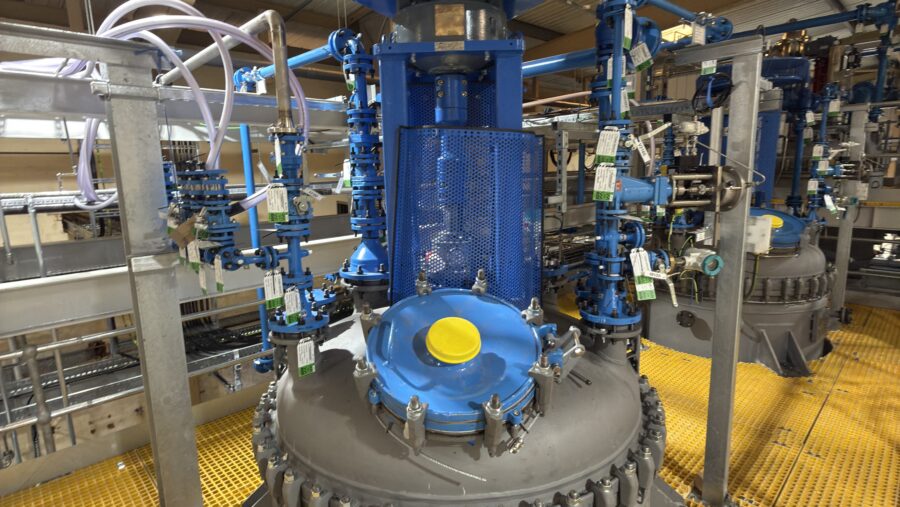
The facility was delivered as a greenfield, stick-built installation within the Stenter Hall at the Wilton Semi-Tech site, following remediation and preparation of an area approximately the size of a football pitch. JBA assumed full ownership of the project area and acted as Principal Contractor, managing all construction, safety and delivery activities under full CDM control.


To achieve the demanding programme, JBA’s construction and engineering teams developed a detailed execution strategy through a series of constructability reviews. These reviews informed the sequencing of works, identifying critical interfaces and enabling efficient coordination between design, procurement and construction activities. A fully federated 3D model and detailed design package were used throughout the project to support planning, safety reviews, installation and commissioning.


Through careful planning, rigorous project controls and close collaboration between engineering and construction teams, the facility was constructed, mechanically completed and progressed to commissioning within just seven months, demonstrating JBA’s capability to deliver complex process facilities safely and at pace.
Outcome

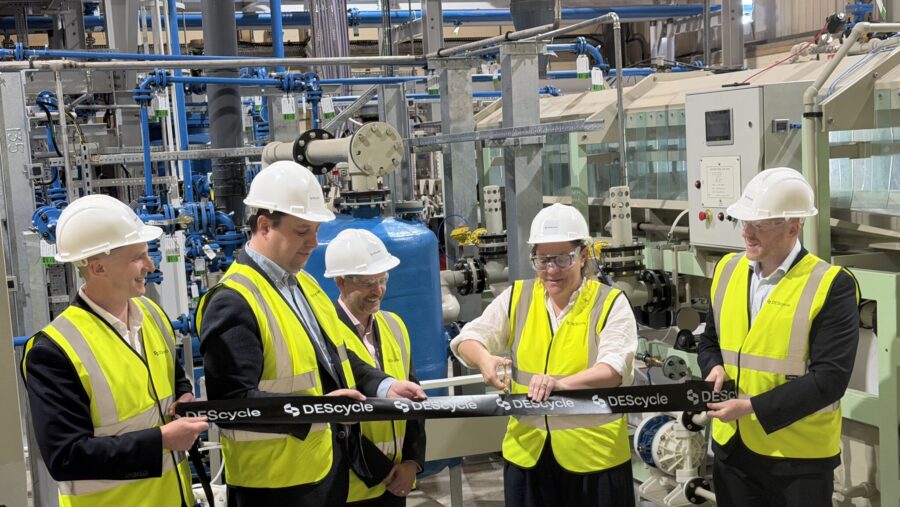
The successful deliver of the demonstration facility was the result of a highly collaborative partnership between the client, as technology owner and controlling mind, and JBA as the turnkey delivery partner. Combining the client’s process expertise with JBA’s engineering, project delivery and construction capability created a robust framework for transforming a novel concept into an operational demonstration plant.


Through the application of disciplined project controls, risk-based decision-making and integrated delivery teams, the project achieved a predictable outcome against an ambitions programme. The facility was delivered safely, efficiently and to the required technical standards, providing the client with a fully operational platform to demonstrate the technology at TRL7.

Latest News

Got a question?

Have an engineering challenge to discuss? Get in touch with our team to see how JBA can support your project. 
You can call us on (+44) 01740 665730 or email enquiries@jbaengineering.com